
A bright, white smile is often associated with good health, confidence and attractiveness. It’s no surprise that millions of people around the world look for ways to enhance the appearance of their teeth. Among the most common questions asked in dental hygiene forums and beauty conversations is: How do I whiten my teeth?
Whether it’s due to staining from coffee, tea, red wine, smoking or just the natural aging process, many people are searching for effective, safe and affordable ways to brighten their smiles.
This essay explores the different methods available to whiten teeth, from professional treatments to natural remedies, and helps to answer the most persistent question: how do i whiten my teeth without causing discomfort or damage to my teeth?
Understanding discoloration In teeth weather food related or natural.
Before diving into the different whitening methods, it’s important to understand why teeth become discolored in the first place. There are 2 times of discoloration;
Extrinsic Stains:
These stains occur on the router layer of the tooth (enamel) and are typically caused by external factors such as drinking coffee, red wine, cola or smoking.
Intrinsic stains:
These are deeper and occur within the tooth structure, often due to aging trauma, certain medications or excessive fluoride exposure during childhood.
Identifying the type of stain can also help you determine the most effective whitening method that fits you and your lifestyle.
Professional teeth whitening options:
If you’re wondering, How do I whiten my teeth effectively and quickly, professional dentist treatments may be your best bet. Dentists offer several whitening procedures that can deliver dramatic results in a short amount of time.
In office whitening
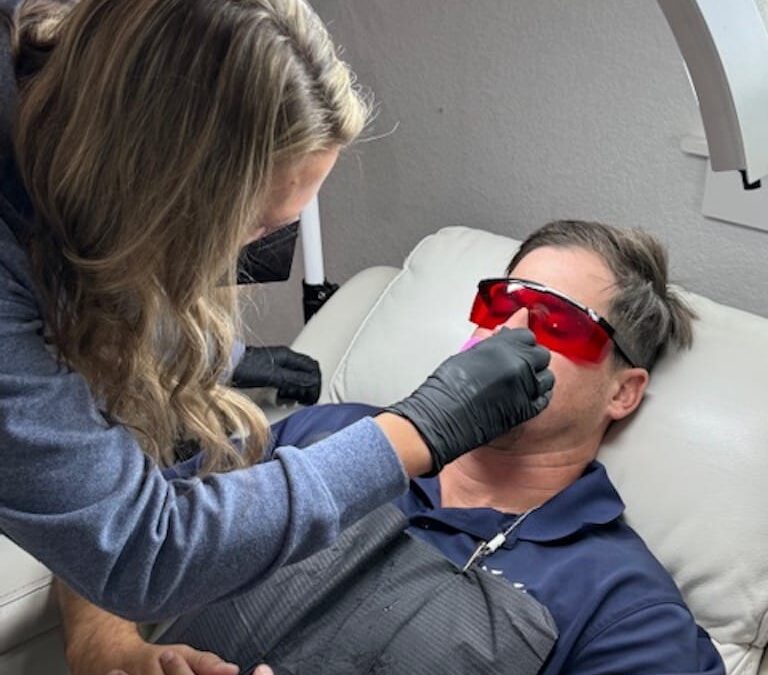
This is the most powerful whitening option and usually involves applying a high-concentration peroxide gel to the teeth. In many cases a special light or laser is used to enhance the whitening process. The results can be seen in just one visit and teeth may appear several shades lighter.
Custom take home kits.
Dentists can also provide a customized take home kit for you to do at home. These would include custom trays and a professional grade whitening gel. These kits are usually more effective then over the counter whitening strips or toothpaste because they are fitted for your teeth personally with a higher grade whitening product for you to use.
While these are more expensive, these methods are safer and more predictable with proven results done by a professional and higher grade whitening agents.
Over the COunter Whitening products.
For those on a budget or looking for a much easier way to whiten your teeth, over the counter products offer a variety of solutions. But do they work? And if so, how do i whiten my teeth using these products effectively
Whitening toothpastes
These contain mild abrasives and low concentrations of peroxide and whitening agents to help remove surface stains. While they won’t change the natural color of your teeth or lighten deep stains, they can be useful for maintaining results after a professional treatment.
Whitening strips
These thin, flexible plastic strips are coated with a peroxide-based gel and are applied directly to the teeth. Most strips are used once or twice a day for a couple of weeks and can produce noticeable results within a certain amount of time. These are only effective for a short amount of time.
Whitening pens and gels
These allow you to paint a bleaching agent directly onto the teeth. They are convenient but may be less effective than strips or trays due the the difficulty of keeping the gel on the teeth for a long enough time for it to have its full effect.
Natural remedies and do they work?
For those seeking a more natural way the internet is filled with DIY tip and tricks for a whiter smile. Some common methods include:
Baking soda and hydrogen peroxide: This combination acts as a mild abrasive and bleaching agent. However , over use can damage enamel if not used correctly.
Oil pulling:
Swishing coconut oil around in the mouth is believed by some to reduce plaque and whiten teeth, although scientific evidence is limited.
Activated charcoal:
While popular, charcoal can be to abrasive for enamel and may cause more harm then good.
Fruit peels or strawberries:
These contain natural acids, but they can also erode enamel if used frequently.
If you’re asking how do I whiten my teeth naturally, remember to use caution because natural doesn’t always mean safe in this case. We use our mouths for everything. It’s important we take good care of it and protect it at all costs.
Preventing future stains
Once touve whitened your teeth, maintaining those results is essential. Here are a few practical tips:
Avoid stain causing foods and beverages:
Limit coffee, red wine, tea, soda, and colored sauces. If you do consume, brush your teeth or rinse your mouth out soon after.
Quit smoking
Yes I said, quit smoking. Tobacco is the number one leading cause to discoloration in the teeth and often leads to the enamel sooner than you realize.
Practice good oral hygiene:
Brush twice per day, floss daily and use a whitening mouthwash to help maintain a brighter smile.
Regular dental cleanings:
Visit your dentist every six months for professional cleanings which help remove built up plaque and surface stains.
Is teeth whitening safe?
When used properly, teeth whitening is generally considered safe. However, side effects may occur and conclude of:
Tooth sensitivity: this is the most common side effect and typically subsides after treatment ends.
Gum irritation: whitening agents can irritate soft tissues if they come into contact with the gums
Overuse damage: excessive whitening and erode enamel and increase the risk of cavities and tooth sensitivity.
Concussion:
If you’ve ever looked into whitening your teeth and asked yourself the question “ how do i whiten my teeth?” then you’ve noticed there are many options to doing so. Finding the most effective one can be hard. But there are unlimited resources to help you out.